



Wedding planning and dreaming of the perfect day is exciting, but it’s easy to forget the little things that will make your party truly unforgettable.
As you choose the venue, make your invitations, and plan every detail of your wedding, it’s easy to forget about some important things. These can include budgeting details, scheduling problems, vendor misunderstandings, and jobs that need to be done after the wedding.
Keep scrolling for our list of items you shouldn’t overlook during your wedding planning journey so you can avoid these typical mistakes and ensure each aspect of your special day is carefully scheduled and carried out.
*Cover image by Karolina Grabowska from Pixabay
#1. Budget Oversights and Guest List Gaps

The average wedding cost exceeded $30,000 in 2024 and is likely to rise further in 2025. With the average guest list comprising about 110 people, even minor cost deviations add up quickly without careful planning. Allocate around 37% of your budget to the venue and 28% to catering, as these two areas typically occupy the largest share. Factor in a contingency fund of at least 10% to cover unplanned expenses such as overtime for vendors or last-minute fixes.
Couples often overlook smaller fees, like postage for save-the-date cards and invitations, which can unexpectedly increase expenses. Another frequent misstep is failing to count themselves in the headcount for catering, which could lead to an embarrassing shortage of meals.
#2. Overlooked Essentials for the Ceremony
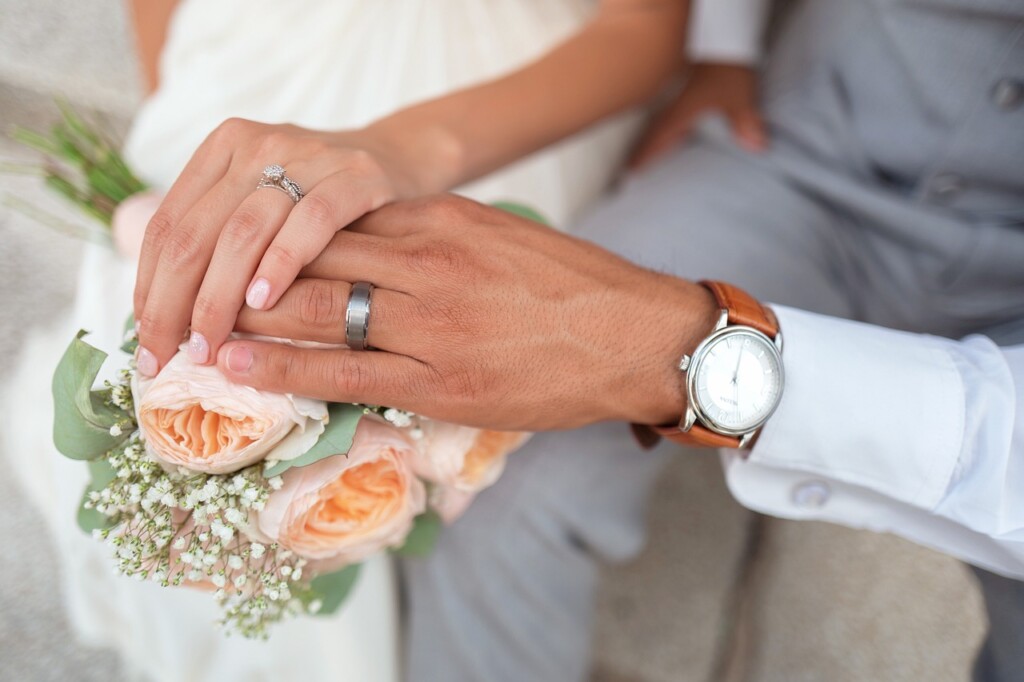
Small details can often slip through the cracks when planning the ceremony, even though they play a key role. Items like reserved seating signs for family, pens for the guest book, and printed copies of your vows are often forgotten until the last minute. It’s also easy to overlook practical items like a marriage license or wedding bands. Having an organized checklist a few months in advance can help you avoid last-minute stress.
For instance, purchasing your wedding ring early ensures plenty of time for adjustments or engraving. Similarly, double-checking items like special jewelry and veil accessories keeps everything on track.
#3. Timeline Blind Spots

Wedding planning timelines are complex, and skipping steps can create unnecessary stress. Designers typically need 6–8 months to produce a custom wedding dress, so early shopping is essential. Invitations should be sent 6–8 weeks before the wedding, with destination weddings needing a lead time of 3 months. Essential bookings like DJs, transportation, and makeup artists should happen 9–7 months before the wedding to avoid last-minute cancellations due to fully booked schedules.
Failing to finalize essential details in advance can disrupt the day’s flow. For instance, missing the deadline for ordering table numbers or reserved seating signs could result in confusion during the reception. Similarly, not preparing a day-of timeline means key milestones like the first dance or cake-cutting risk running behind schedule.
#4. Small Yet Important Details
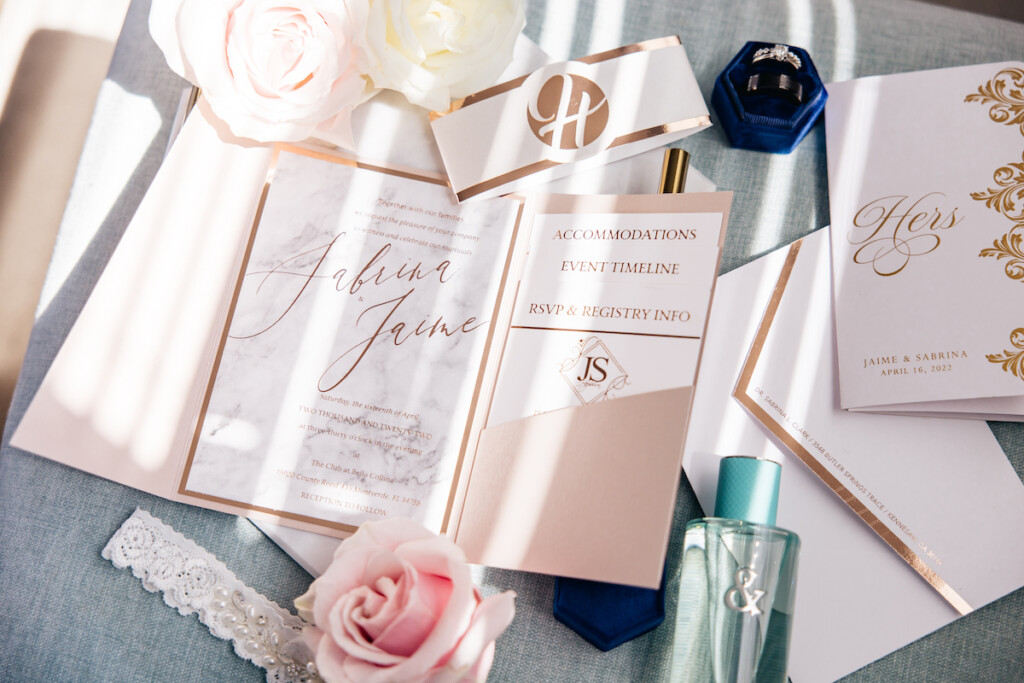
Some items may seem minor but are critical to a smooth event. Transportation arrangements for the wedding party and families often get overlooked until it’s too late to make changes. Assigning a person or two to handle cards, gifts, and their security can also easily escape consideration. Vendor meals, formal shoe breaks, and a pre-packed wedding emergency kit may not seem pressing until you realize their absence during the event.
In photographs, small details are magnified. Nice hangers for the dress and an invitation suite for the photographer can elevate pictures. Plan for beauty items like a garter or veil that are easy to forget, especially when rushing to finalize other aspects of the day.
#5. Vendor Coordination and Communication

Hiring the right vendors early makes a difference, but so does maintaining communication. Confirm all bookings and payments a month in advance to avoid misunderstandings or missed deliverables. Prepare delivery fee payments, overtime costs, and tip envelopes for DJs, venue staff, and caterers.
About 30% of couples hire some form of wedding planning services, and even coordinators emphasize the importance of follow-ups. Final vendor consultations, menu tastings, and seating chart confirmations are critical steps to avoid mistakes on the wedding day.
#6. Practical Additions That Save Time

Interactive reception elements like photo booths or DIY cocktail stations are planned by 60% of couples. According to The Knot, micro weddings making up approximately 15% of ceremonies, allow more space for implementing creative or eco-friendly touches without stretching the budget thin. Destination weddings make up around 25% of upcoming plans, requiring additional considerations like advanced notice, travel arrangements, and virtual attendance tools for those unable to join.
#7. Avoiding Post-Wedding Chaos

Post-event tasks often slide under the radar amidst the main planning. Cleaning and preserving a wedding dress, promptly sending thank-you notes, and creating a wedding album are common tasks couples defer and later struggle to complete. These items are best planned simultaneously with the wedding execution.
Ultimately, in the chaos of wedding planning, even the smallest things can make a big difference in how the party goes.
Staying alert regarding your budget, schedule, and vendor coordination—and by not overlooking those little but crucial details—you can prevent needless worry and produce a flawless experience. Careful preparation and attention to every detail will help you to be on your way to savoring a very beautiful day that captures your own love story.
Looking for more wedding planning advice?
Click here for more.