

- The Storm That Devastated the Island
- There have only been three named storms to come onshore in Jamaica — and each one was exactly 37 years apart. 1951. 1988. 2025. "37 years in between each of those three storms," he told us.
- Building Back More Resilient
- The Recovery: All Hands on Deck
- December 15: The World Was Invited Back
- The Heart of Tourism: Small Businesses and Workers
- Expanding the Global Footprint
- Romance and the Circular Economy
- The Road to Full Recovery
- A Love Letter to Jamaica
A Conversation with Donovan White, Director of Tourism, Jamaica | Interview by Jacqueline Nwobu
Editor’s Note: The conversation below has been lightly edited for clarity and length. Filler words and repeated phrases have been removed. All statements reflect Mr. Donovan White’s original responses. The full interview video is embedded below.
When Hurricane Melissa made landfall on October 28, 2025, it did not just batter the shores of Jamaica. It rewrote the record books.
With 185 mph sustained winds, gusts reaching 250 mph, and more than $9 billion in damages, Melissa became the most catastrophic storm in the island’s recorded history. For a nation where tourism is the lifeblood of the economy, the question on everyone’s mind was simple: How do you come back from that?
The answer, it turns out, is the same answer Jamaica has always given the world.
You rebuild with resilience.
You rebuild with community.
You rebuild together.
We sat down with Donovan White, Director of Tourism for Jamaica, for a candid and illuminating conversation about the storm’s unprecedented impact, the extraordinary 90-day recovery effort, and what it means for couples dreaming of a Jamaican destination wedding or honeymoon.
Spoiler alert: Not only is Jamaica open for business, it’s moving forward with intention.
The Storm That Devastated the Island
Munaluchi: Hurricane Melissa hit October 28 and caused over 9 billion dollars in damages, the most in Jamaica’s history. What made this storm uniquely catastrophic?
Donovan White: “The causes of these hurricanes are largely tied to sea warming and global warming. This particular storm sat over ocean waters for about eight days before coming ashore in Jamaica, and specifically off the coast for about four days.
It was massive in size. The strength of the storm was the second strongest ever recorded at 892 millibars. By the time it came on land, it had 185 mph winds and up to 250 mph gusts.
If you have ever driven a car at 180 mph, you probably did it for three or four minutes. This storm went across the western end of Jamaica over an eight to nine hour period at 185 miles an hour, moving at about two miles an hour. Just imagine eight hours of being pelted by 185 mph winds, with a storm moving at less than two miles per hour.
It completely devastated. It is the worst storm to ever hit Jamaica and the second worst storm ever recorded in the history of storms in the Caribbean.
Fun Fact Shared by Mr. White…
There have only been three named storms to come onshore in Jamaica — and each one was exactly 37 years apart. 1951. 1988. 2025. “37 years in between each of those three storms,” he told us.
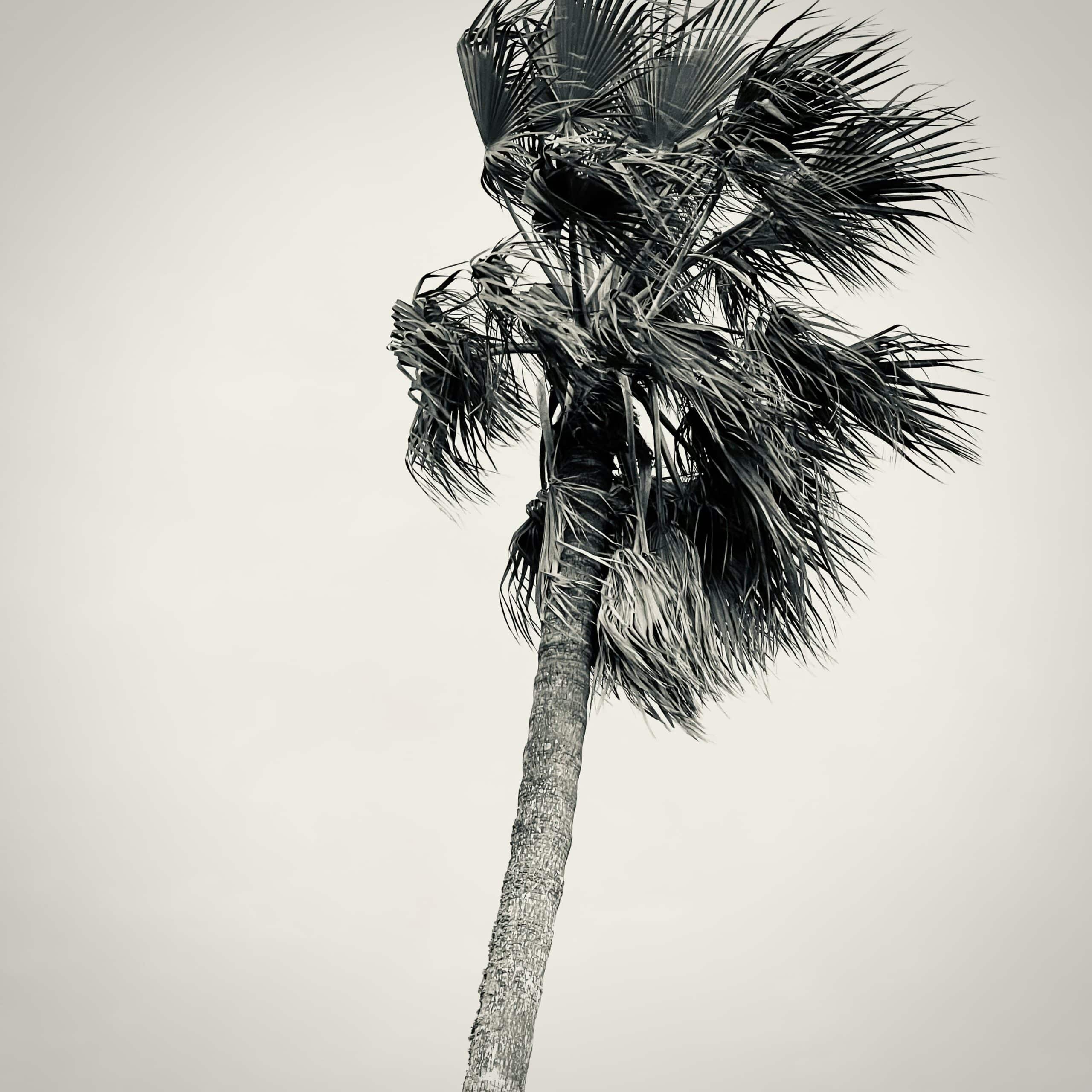
History may be cyclical, but Jamaica is choosing to build differently this time.
Building Back More Resilient
Munaluchi: What did Jamaica learn from Melissa that will shape rebuilding efforts?
White: “I think we as a country would have learned that having residential housing close by the shorelines is probably not the best thing to do.
Also building with different types of reinforcements because as storms get worse over time, building codes also change. What you had as a building code in 1951 would not help you in 1988. What you had in 1988 would not help you in 2025.
You are constantly in a process of evolving technology, evolving systems, and evolving approaches.
The Prime Minister, the Honorable Andrew Holness, has been very strong on ensuring that we not only build back what has been damaged, but we build back more resilient and better for the future.”
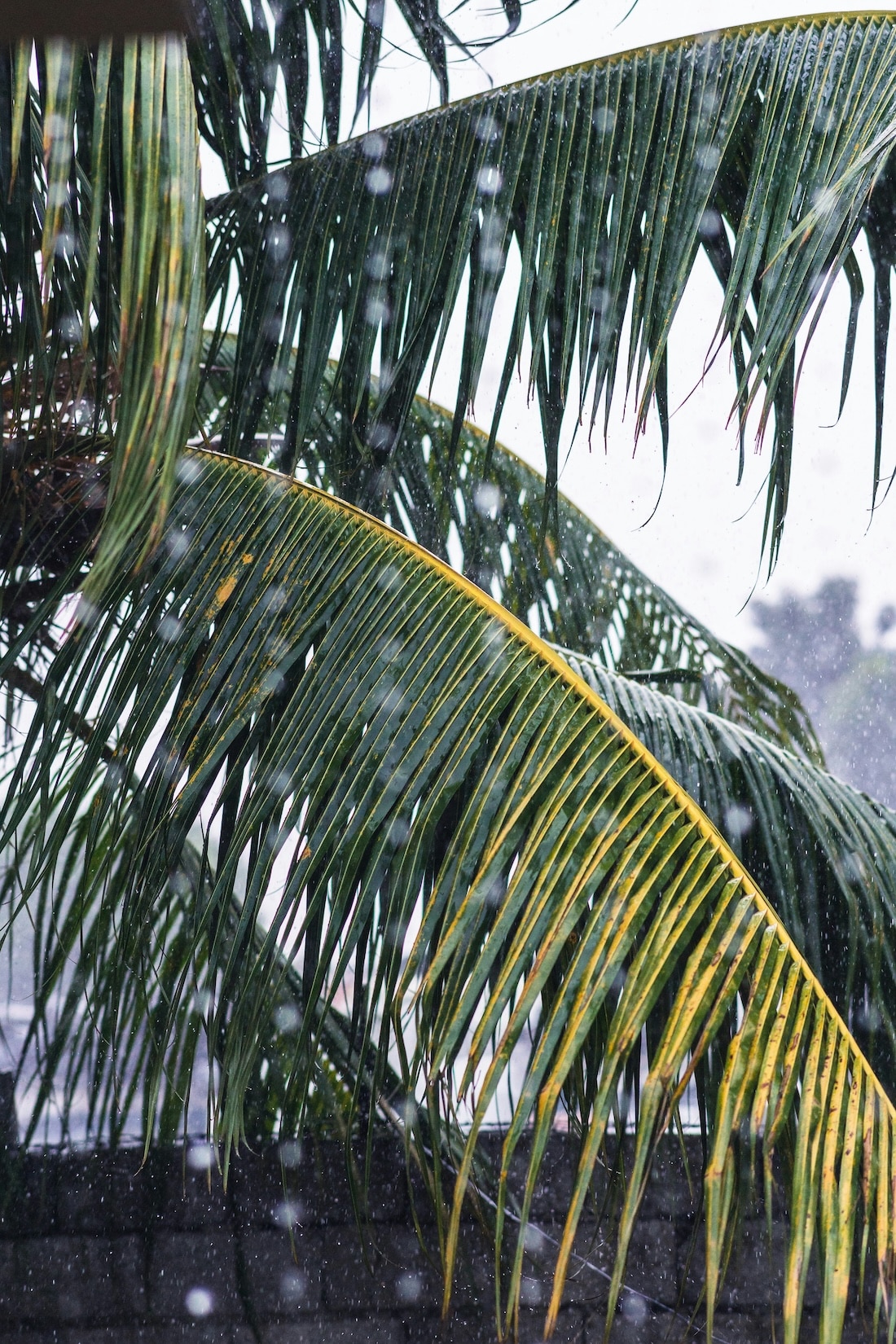
The Recovery: All Hands on Deck
Munaluchi: Tourism is Jamaica’s number one industry and number one foreign exchange earner. What were the immediate steps taken after Hurricane Melissa to start rebuilding tourism?
White: “It was a pressure cooker situation. All hands on deck.
Minister of Tourism Edmund Bartlett put together his task force immediately. My responsibility on that task force was evacuation and communication. My job was to ensure that we coordinated the evacuation of all guests on the island in the immediate days and hours after the storm.
The hardest hit areas were St. Elizabeth in the southwest, Westmoreland in the west, St. James which includes Montego Bay, and Trelawny.
The airport in Montego Bay also had damages, so a lot of the evacuation flights had to exit out of Kingston on the eastern end. We had to transport guests from the north and west over to the east just to get them flights out.
It took about four to five days to get everybody off the island.
But the beauty of that exercise was seeing how our hoteliers and their workers, even in the face of having experienced damages at their own homes, cared for the visitors to the country. They ensured that guests had shelter, water, food, and were properly packed and ready to go when their bus arrived.
It was an unbelievable level of professionalism and hospitality.
Within less than 30 days, power was restored to critical infrastructure. Montego Bay’s airport was back open. Relief efforts poured in from countries around the world within four to five days.
It was an all hands on deck approach by the government of Jamaica, bringing critical stakeholders together to work our way out of it.
We struggle together. We rise together.”
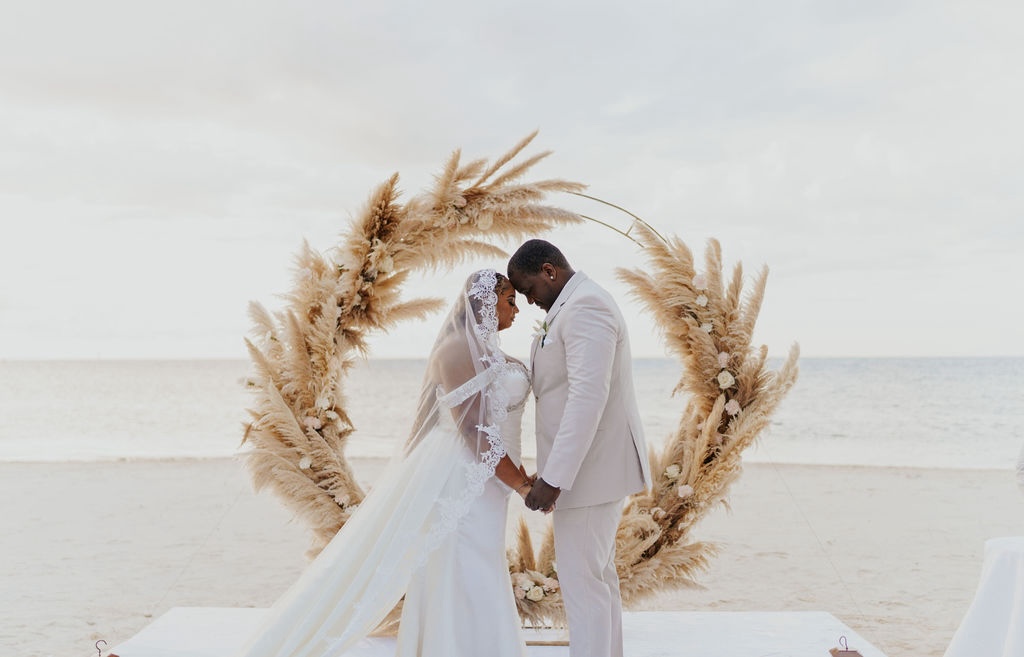
December 15: The World Was Invited Back
Munaluchi: It has been less than 90 days since Hurricane Melissa. Jamaica declared tourism open on December 15 and has welcomed over 400,000 guests. How did you accomplish that?
White: “It starts with leadership. On the day after the storm, Minister Bartlett gave a charge to the industry that we must be ready to fully welcome the world back to Jamaica on December 15 — which is the celebrated start of winter tourism season.
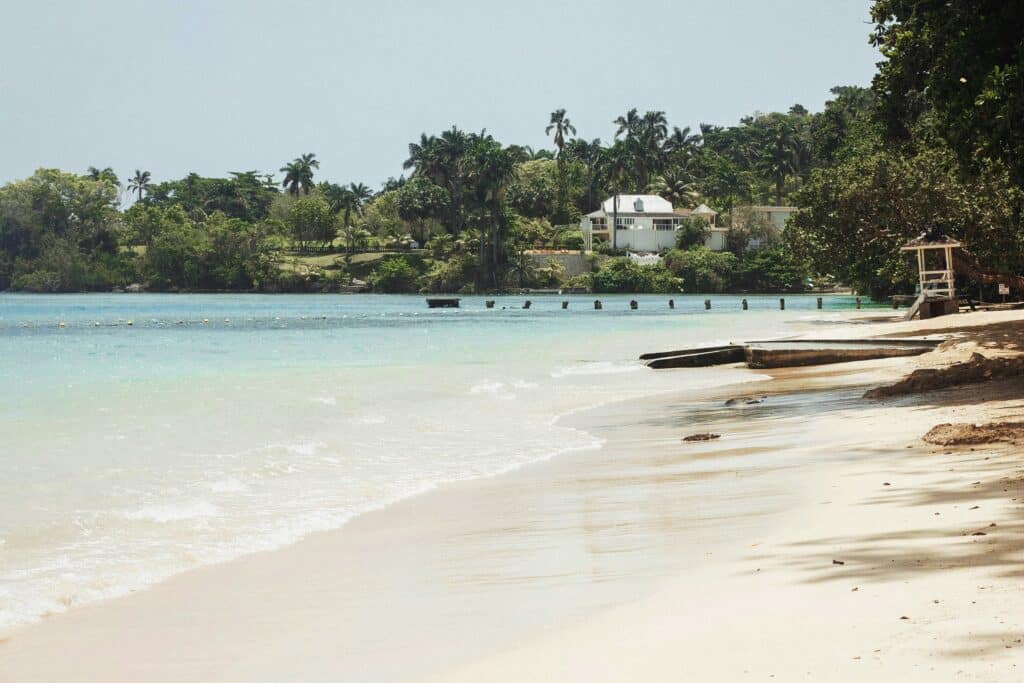
Some tourism resort areas had little or no effect at all. Ocho Rios was open right through. Kingston was never closed. Portland had very little damage.
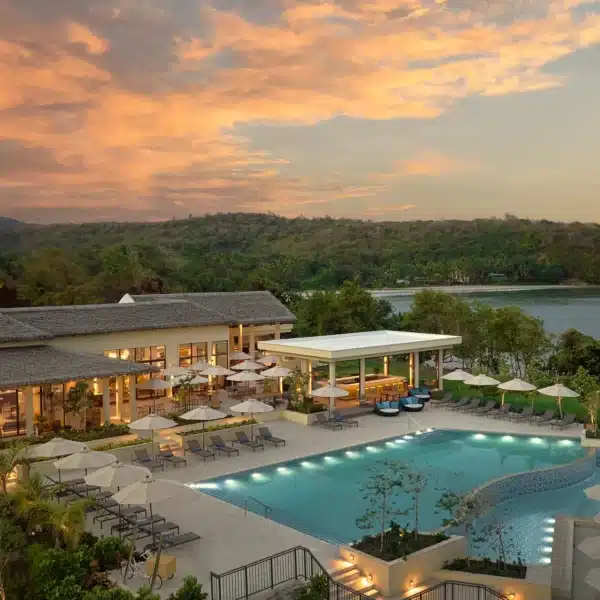
Right now we have 16,850 rooms open, which is about 60 to 70 percent of our room stock. About 8,900 rooms are still closed and opening in phases. Every month there are at least 300 rooms coming back online.”
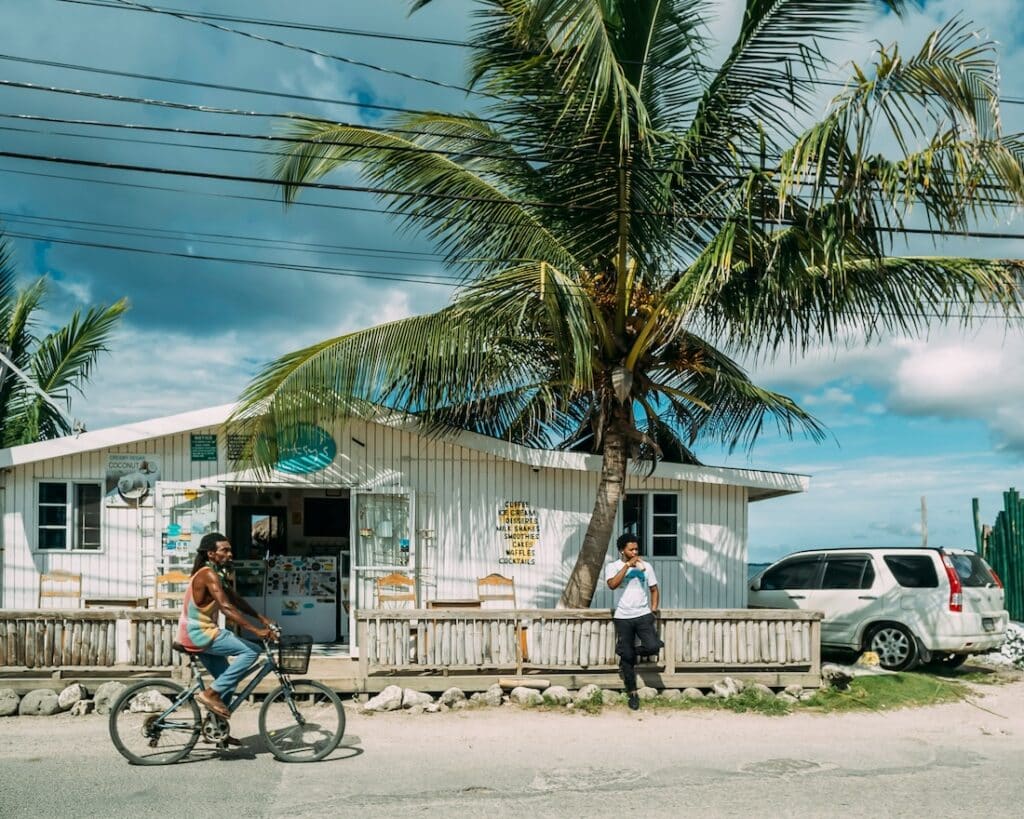
The Heart of Tourism: Small Businesses and Workers
One of the most powerful themes in the conversation was the focus on everyday Jamaicans.
Munaluchi: How did you ensure that tourism workers were not left behind in the reopening process?
White: “Our workers are our stars. They are who makes it all happen. Without them, there is no tourism.
The minister insisted that workers must be treated fairly and taken care of. Where there was opportunity to provide relief for them, that had to be instituted. Where there was opportunity for employers to give additional benefits, that was encouraged. If we were to be successful by December 15, we could not do that without the workers being able to comfortably return to work.”
Munaluchi: What about the craft vendors, tour guides, small guest house owners, and the thousands of tourism workers? How are they being supported?
White: “Small businesses are the drivers of our economy. They are the largest beneficiaries of tourism spending and the drivers of the circular economy, because they are at the pulse of everyday life.
It is the corn soup vendor, the jerk pork vendor, the cane man, the coconut man, the small attractions, the bike company, the taxi company, the entertainers.
Those are the businesses that sit at the edges of the product. They make the difference in the experience for every visitor.
Tourism owns nothing but it uses everything. It is a consumption-based industry.”
Donovan offered a vivid illustration of just how deep tourism’s economic reach goes: a tourist consumes as much as six times more eggs than a regular Jamaican. Eggs in the breakfast, the pastry, the drinks, the pies. “Think of everything else,” he said. “It’s the same multiplier effect.” That’s the circular economy in action, and it touches every corner of Jamaican life.
“It is the corn soup vendor, the jerk pork vendor, the cane man, the coconut man, the taxi company, the entertainers. Those are the businesses that sit at the edges of the product. They make the difference in the experience to every visitor that comes to the country.” – Donovan White
Expanding the Global Footprint
While the United States and Canada remain dominant markets, Jamaica is diversifying intentionally.
Munaluchi: Your biggest market share is the United States and Canada. What are the emerging markets on your radar?
White: “The biggest emerging market we have cracked the code for is Latin America. We have gone from 0.5 percent market share to 2 percent in 2025. Our goal is to reach 10 percent by the end of 2027.
We have opened key airline hubs out of Panama, Lima, and Bogotá. Next we are aiming at Mexico City and São Paulo.
We also have our eyes set on India, the Middle East, and Africa. The formula does not change. It is about creating the right relationships with demand creators and airline carriers. Nothing in that space will happen overnight. It takes time to build the right structures and partnerships.”
Munaluchi: The African and diaspora market is enormous. What kind of initiatives are you exploring to grow that footprint?
White: “The formula is around creating the right relationships and building those relationships in a strategic way so that they become win-win. Win for me, win for you, and win for the traveler.
That means creating relationships with the right demand creators and tour operators who are established in the marketplace. You also have to build relationships with the airline carriers, and the right relationship with carriers who are seeing a win-win situation.
Once you establish that demand creation engine from a B2B standpoint, then it is about how you stimulate those engines — which is where marketing and promotions come in. We have to commercialize the market with Brand Jamaica and understand what the African community and travelers from Africa are looking for. What are their passions? We have to do that research.
We are in the exploratory stage now, understanding what the market potential is, who the relationship partners are, and how we connect those dots. It is similar to what we did in Latin America. It is a gradual process, but we have recognized the opportunity and we are going to continue.”

Romance and the Circular Economy
Munaluchi: Are there new initiatives, especially around weddings and honeymoons?
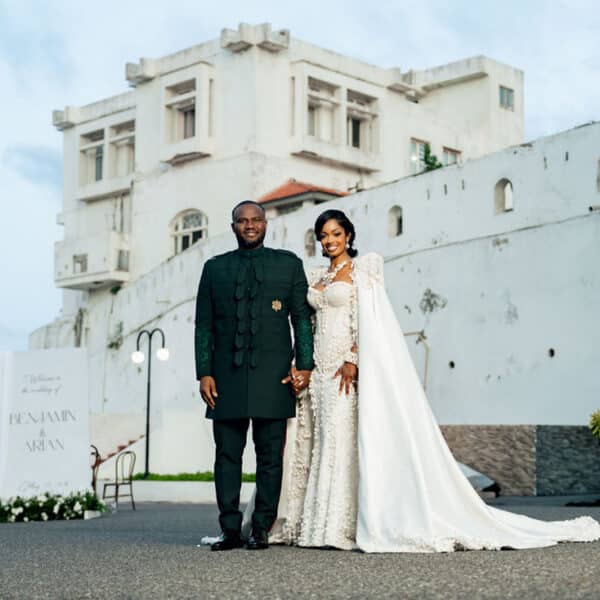
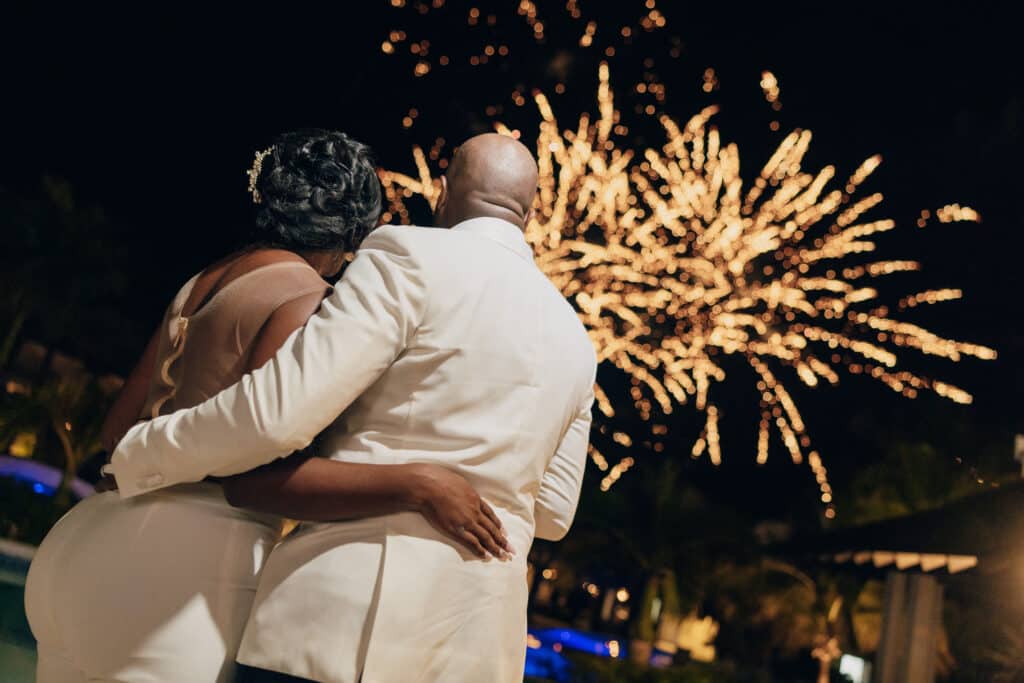
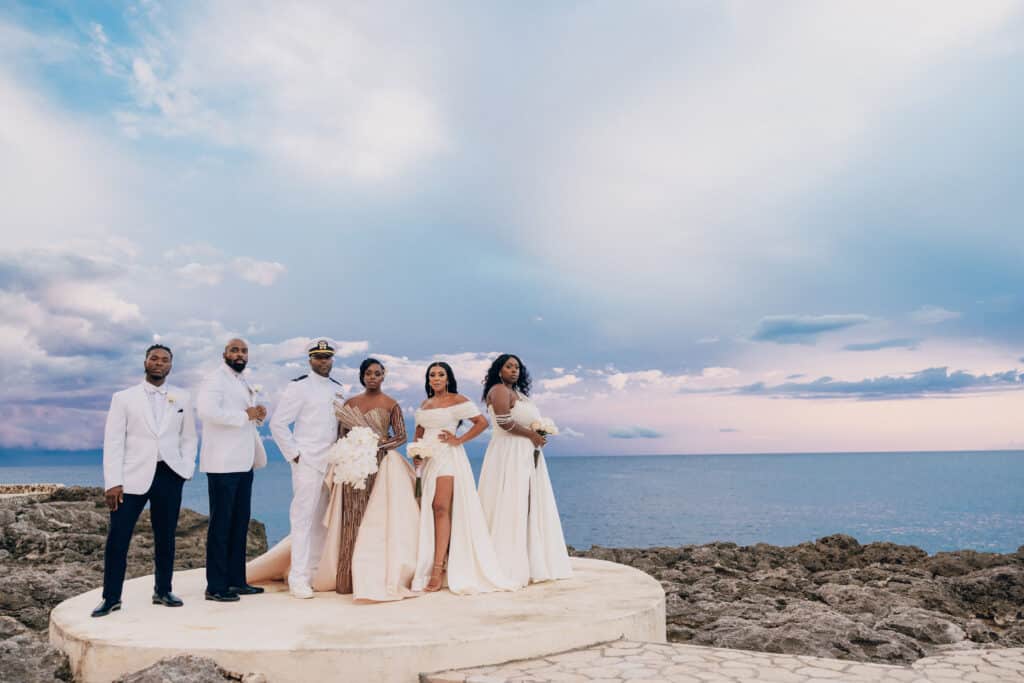
White: “One of the big areas we would have lost because of the hurricane that we are very focused on re-engaging is the romance sector which is weddings and honeymoons. Because they travel in large groups. When you have a big wedding of 300 or 500 people that does a hotel takeover, a destination takeover, they use the airport, the hotel, the menus, the gift shops, the excursions, the tailor, the florists. That’s what I talk about when I say the circular economy. Tourism opens up the entire business sector to benefiting from the activities within it.
The minister likes to say that tourism owns nothing but it uses everything. And that is especially true with destination weddings and honeymoons. We are very focused on bringing that business back and re-engaging that space heavily.”
The Road to Full Recovery
Munaluchi: Official projections say December 2026 for full recovery. Is that realistic?
White: “All things being equal, yes. We believe that by the end of 2026, possibly extended to the first quarter of 2027, we will be back to growth mode.
This year is recovery and resilience. Reasserting ourselves. Re-engineering. Solidifying partnerships. Re-engaging the traveling public.”
“We are not just keeping the engines running. We are revving them.” — Donovan White
Munaluchi: With other Caribbean destinations unaffected by Melissa, how are you convincing travelers to choose Jamaica?
White: “It really is about the relationships we’ve built over years of being one of the most storied tourism destinations globally. We’re a small country, but we’re a massive brand and globally recognized, globally understood. People have a love affair with Jamaica. But that doesn’t give us comfort to be complacent. We’ve turned on the jets in terms of ensuring our communication channels are populated, our online platforms are properly stocked with the information travelers want, and that our open hotels are complementing what we do to promote the destination. We’re using every advertising and marketing channel: traditional, digital, and new media. And the results speak for themselves: 400,000 visitors and over $450 million in revenue in less than 90 days post-Melissa.”

A Love Letter to Jamaica
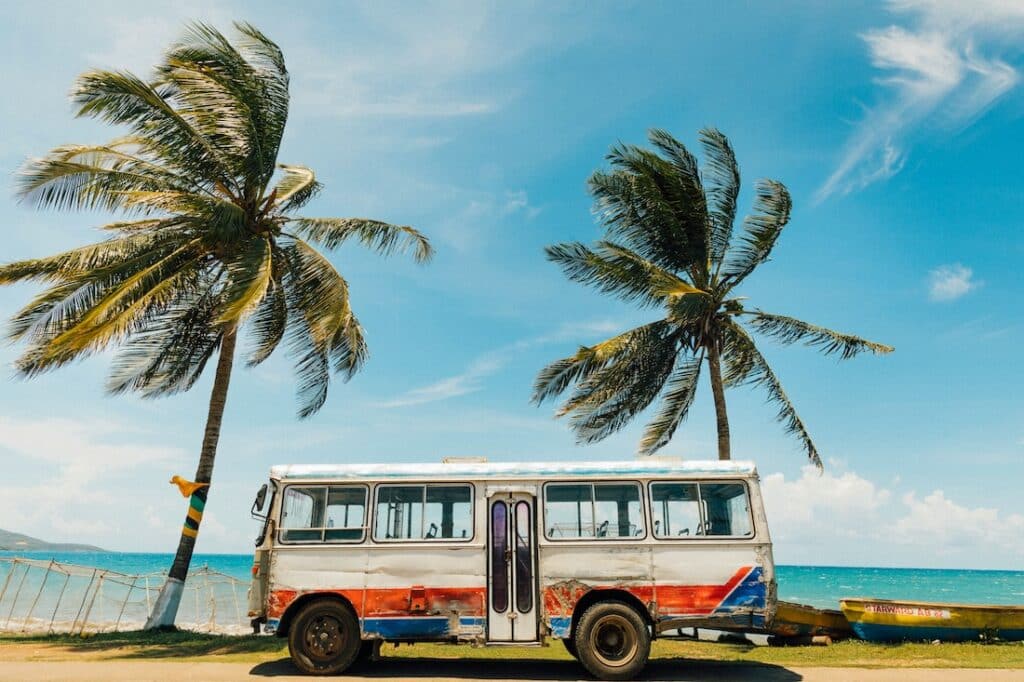
For couples envisioning a destination wedding beneath swaying palms or honeymooning along the coastline, Jamaica is not defined by the storm.
It is defined by how it responded.
With structure.
With leadership.
With care for its people.
With a renewed focus on romance.
The island that gave the world reggae, jerk chicken, and the most infectious spirit in the Caribbean didn’t let a historic hurricane have the last word. It got back up. It welcomed 400,000 visitors. It revved its engines. And it’s ready to celebrate your love story.
Jamaica is open. And from what we can see, it’s more beautiful and more determined than ever.
Planning a destination wedding or honeymoon in Jamaica? Visit the Jamaica Tourist Board at visitjamaica.com for the latest resort openings, travel guidance, and packages.